What is a Species?
So far in this chapter, we have suggested that species are the different kinds of organisms found on Earth. However, this definition has a significant problem – it is very open-ended. Scientists have developed a more exact definition of what constitutes a species. This definition incorporates biological and/or evolutionary prerequisites. For example, from a biological perspective, a species is usually defined as a group of interbreeding organisms that do not ordinarily breed with members of other groups under natural conditions. Thus, if one group of organisms interbreeds freely and successfully with another group even though they are morphologically dissimilar, they would be considered the same species (Figure 11.16). This definition also suggests that we can have cases in which two different species exist because they occupy completely isolated geographic distributions, even though they can potentially interbreed (Figure 11.17).
We can also define species from an evolutionary perspective. Evolutionary species are organisms that share the same common ancestor. This definition is particularly important when studying species found in the fossil record. Organisms are determined to belong to a particular species from morphological similarities that can be measured from fossils. This species definition also helps us determine the relative timing of when a single species line evolves into two or more new species. We can also use the evolutionary perspective to define the existence of a new species by comparing genetic information. Organisms of the same species should have similar genetic codes.
Species Classification
The Earth's biosphere contains millions of different types of organisms. These organisms show considerable physiological and morphological diversity, ranging from single-celled microorganisms to multicelled plants and animals. Any information about these organisms would be highly confusing and meaningless without a logical naming system to identify different species.
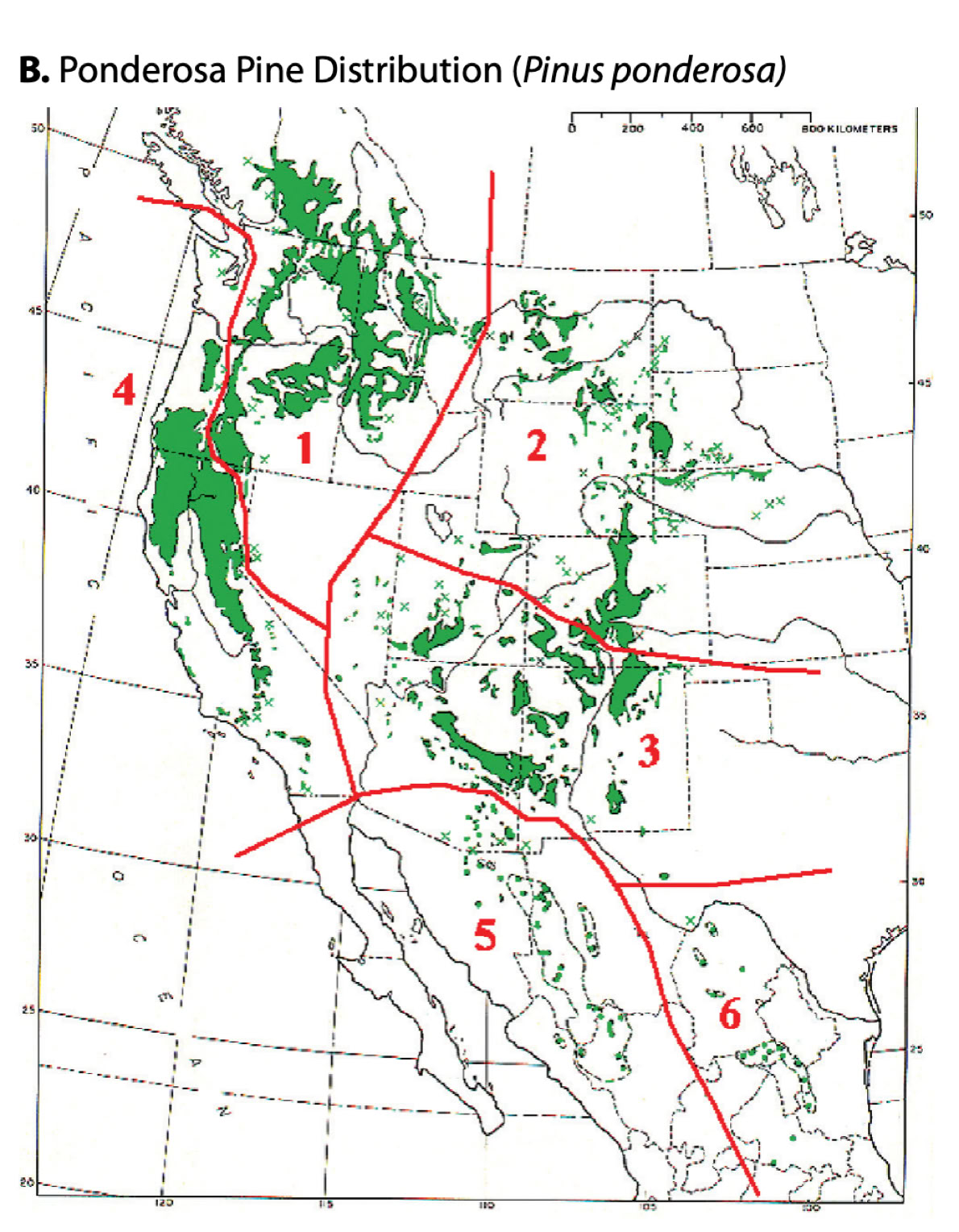
Systems for identifying species have been around for a long time. Aristotle (384-322 BCE) probably created the first system for categorizing life. His system grouped organisms according to the presence or absence of morphological and behavioral features. Aristotle's system also suggested that organisms could be classified at two levels: Species and genus. The most specific level of classification was called a species. Aristotle considered all individuals who appeared very alike to be a species. A genus is a grouping of all species that appear generally similar in terms of morphology and physiology but are not exactly the same. For example, Ponderosa Pine (Pinus ponderosa) and Red Pine (Pinus resinosa) belong to the same genus, Pinus. While these plants share the same general characteristics, specific differences make them obviously different species (Figure 11.18). This conclusion is also confirmed by the fact that their spatial distributions do not overlap and are separated by a distance of more than a thousand kilometers (600 miles) (Figure 11.19).
Up until the 18th century, several systems were proposed for naming species. Each of these systems achieved only limited success, as the scientific community did not universally accept any of them. The first individual to present a generally accepted approach for classifying organisms found on our planet was Carolus Linnaeus (1707-1778). The system he proposed had two main components. First, Linnaeus suggested that every organism be classified with a unique two-part Latin name. The first part of this name identifies the organism's genus (plural: genera). The last term is the organism's specific name or species designation. The second component of Linnaeus's naming system was a hierarchical recording system that grouped species into increasingly general categories of similarity. As a result, biologists would place closely related genera into a more familiar category called a family, and related families would then be grouped into an order, and so on (Figure 11.20).
Our current system for classifying species is based on Linnaeus' original work. However, this modern classification system is much more complex, with many more hierarchical levels. Classification decisions are generally made in the contemporary system using information about taxonomic and phylogenetic relationships. Taxonomic relationships refer to the structural and physiological similarities between organisms. These characteristics are usually measured as lengths, colors, patterns, weights, or the presence or absence of specific behaviors. Phylogenetic relationships are based on genetic comparisons between organisms.
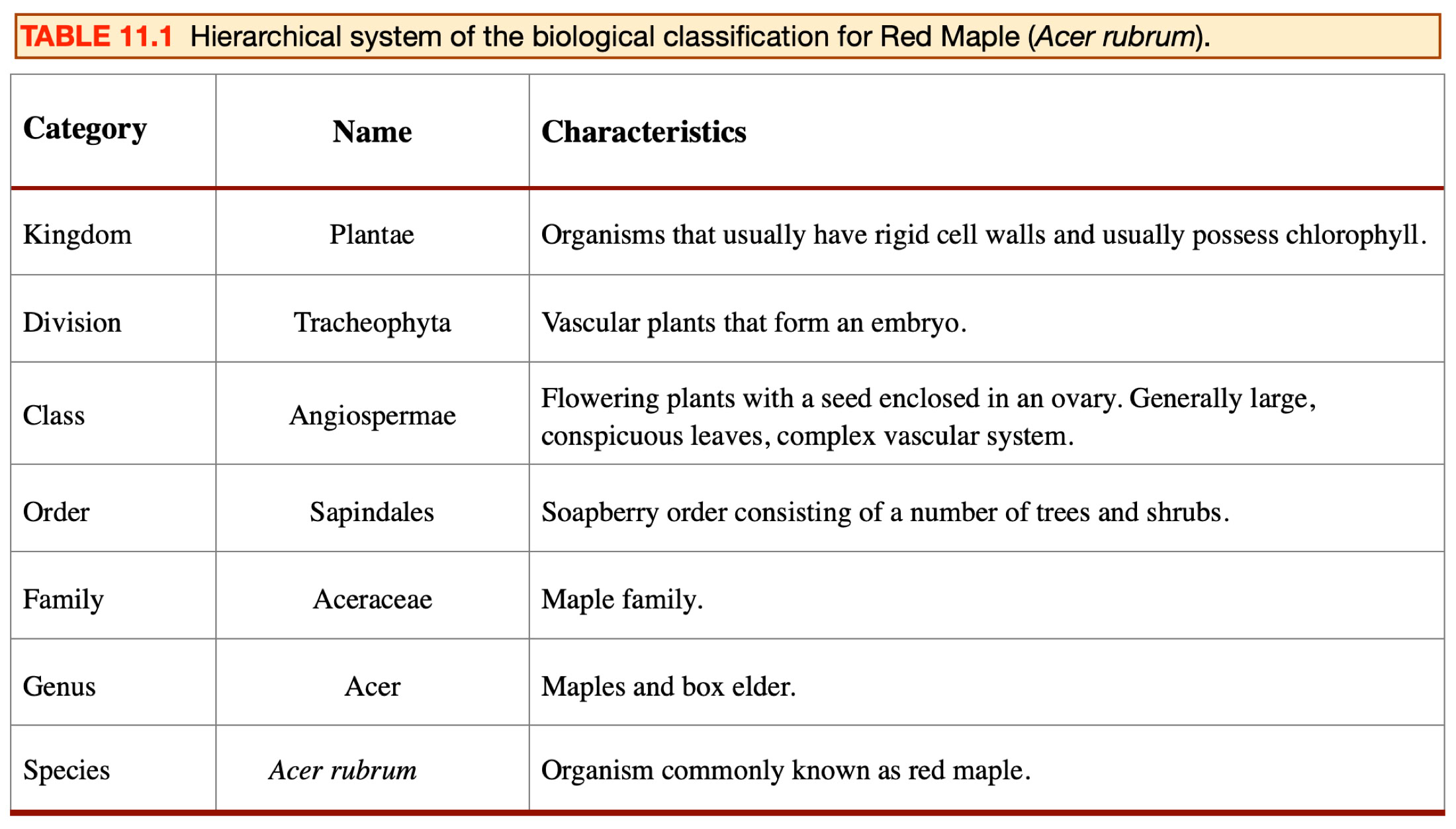
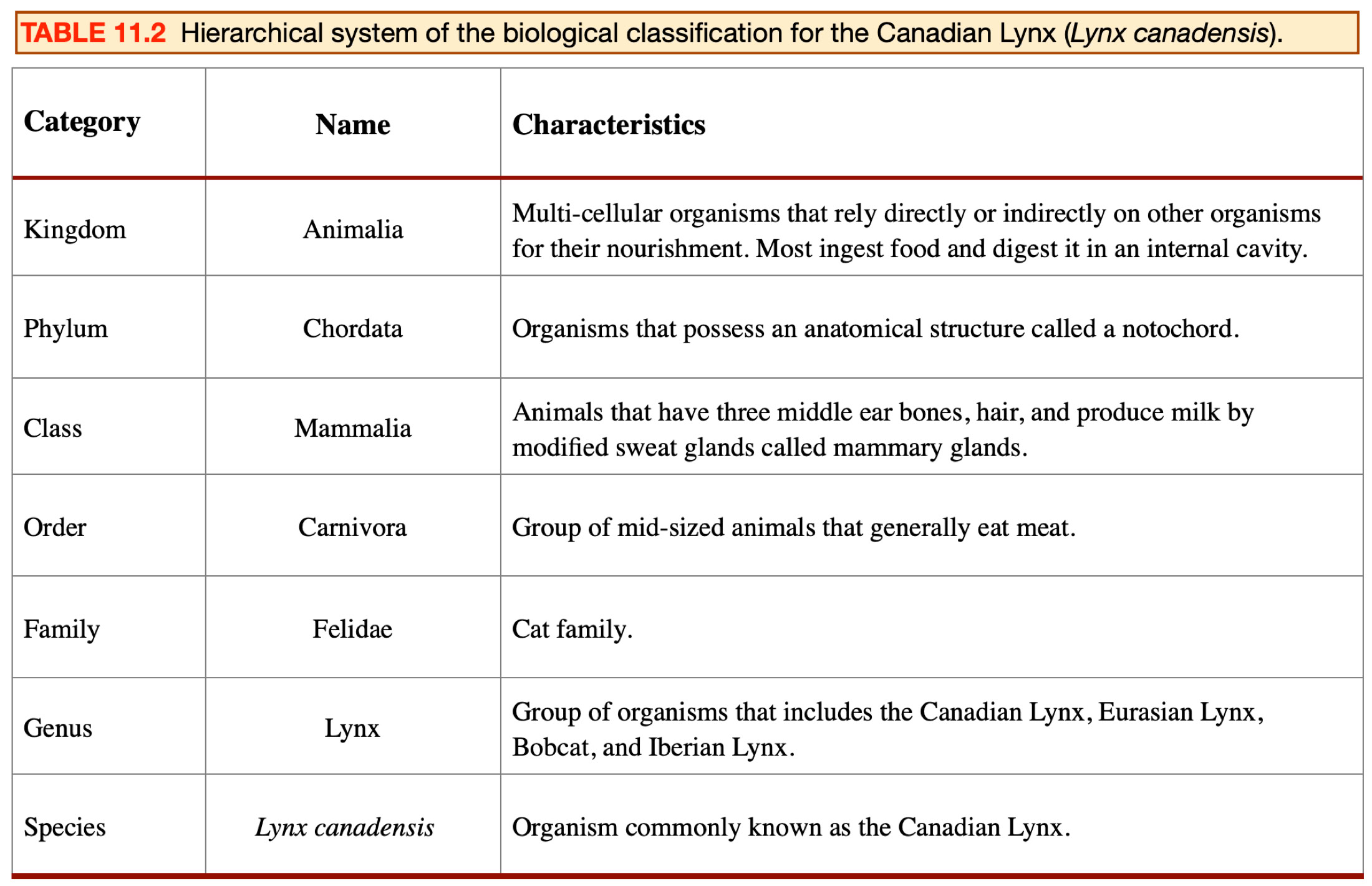
Tables 11.1 and 11.2 describe the detailed classification of two organisms: Red Maple (Acer rubrum) and Canadian Lynx (Lynx canadensis). Note how each level of this naming system is based on some biological characteristic that the organism possesses.
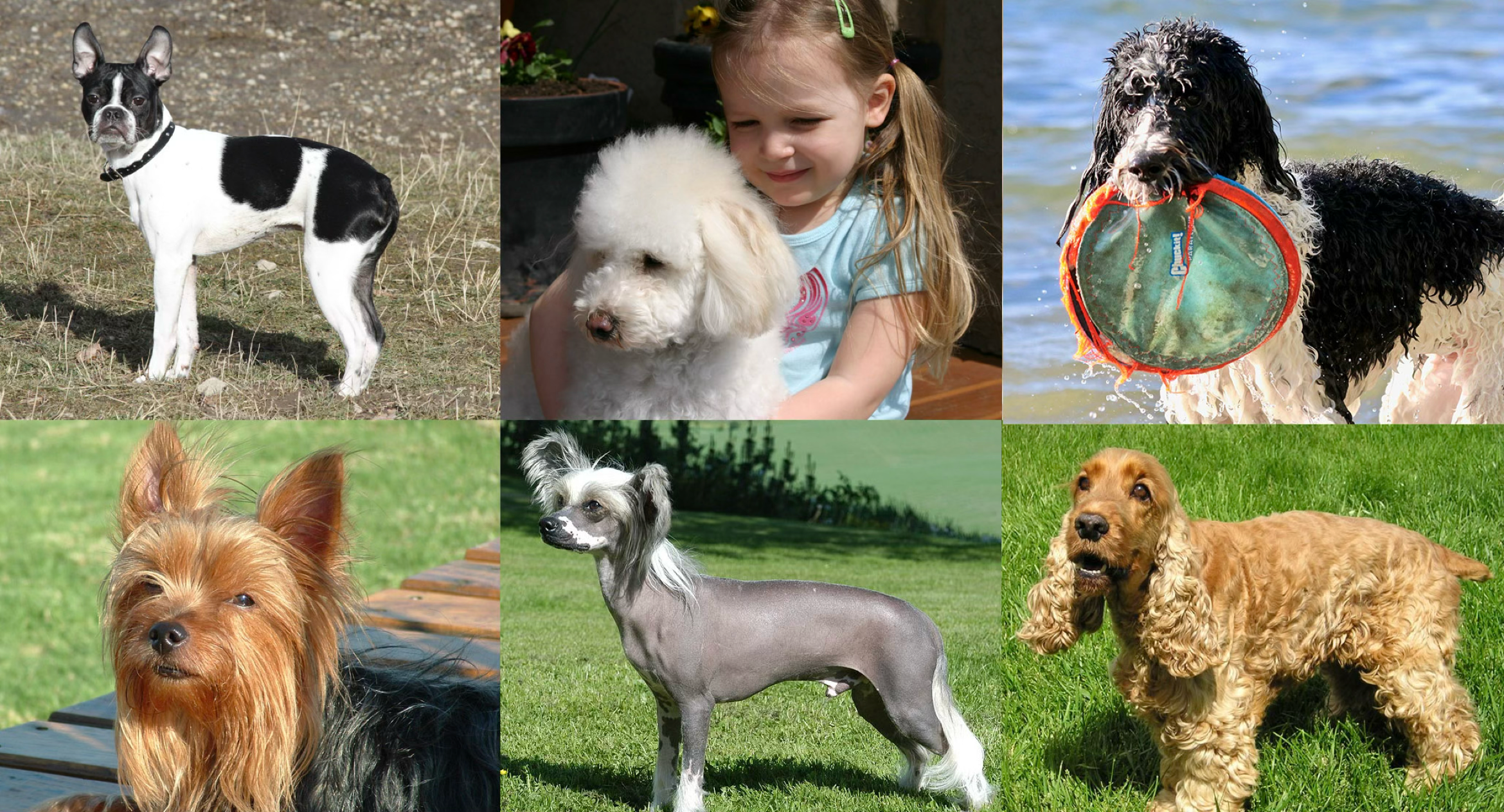
FIGURE 11.16 The American Kennel Club recognizes over 150 breeds of dogs. These breeds exhibit significant variation in size, color, and appearance. Shown are six individuals who may be mistakenly identified as being members of different species. But all of these individuals belong to the same species, Canis familiaris. Images Courtesy of Wikimedia Commons, Bottom Left Photo by Jlcerso, in Public Domain; Bottom Center Photo by Tommy Gildseth, Licensed Under CC BY-SA 3.0; and Bottom Right Photo by ToB, Licensed Under CC BY-SA 3.0. Top Photos, Image Copyright: Michael Pidwirny.
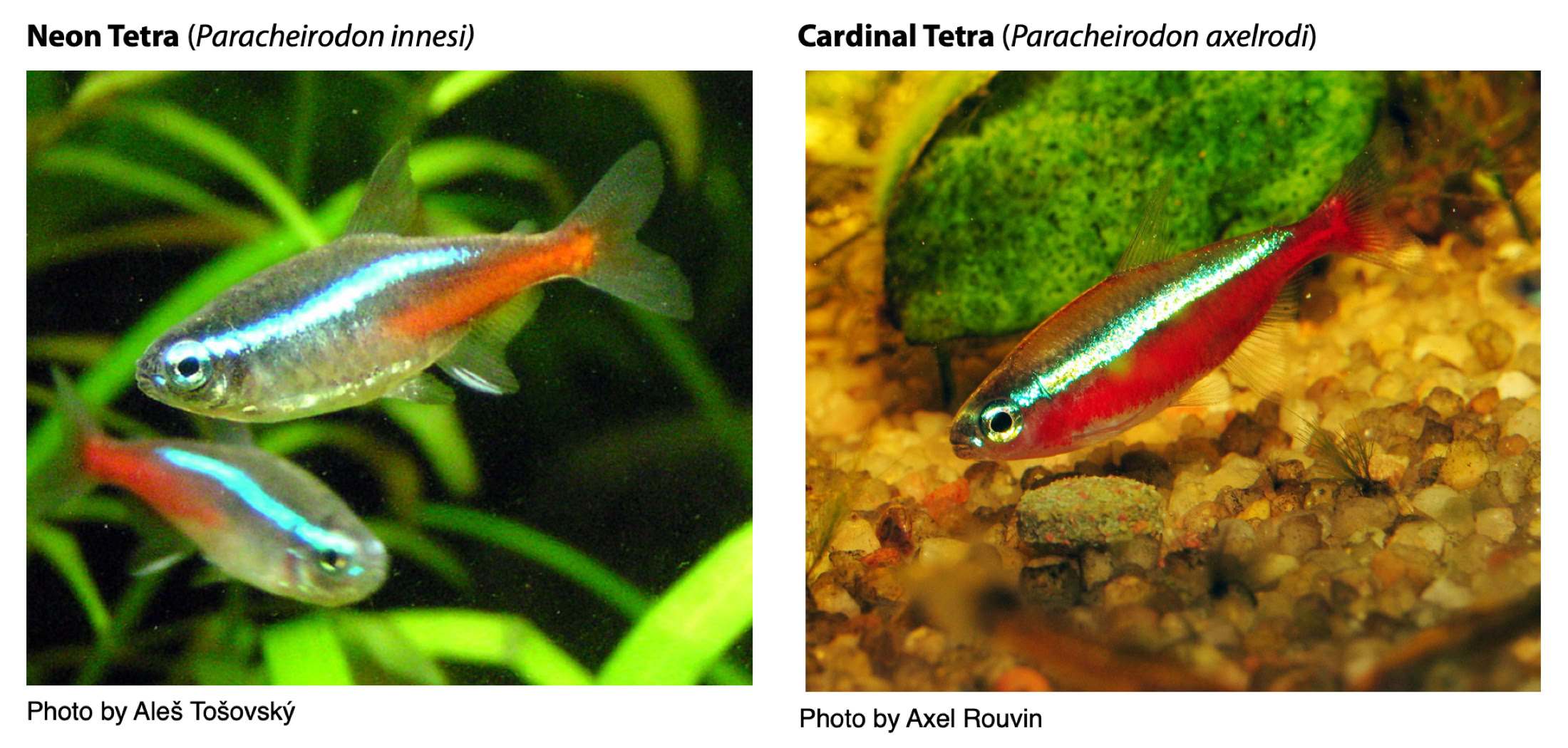
FIGURE 11.17 The following pictures show two different types of tropical fish that appear very similar: the Cardinal Tetra (Paracheirodon axelrodi) and the Neon Tetra (Paracheirodon innesi). Although they appear to be of the same species, these two types of fish cannot interbreed. As a result, they are classified as separate species. Image Source: Neon Tetra: Wikimedia Commons, Cardinal Tetra: Wikimedia Commons.
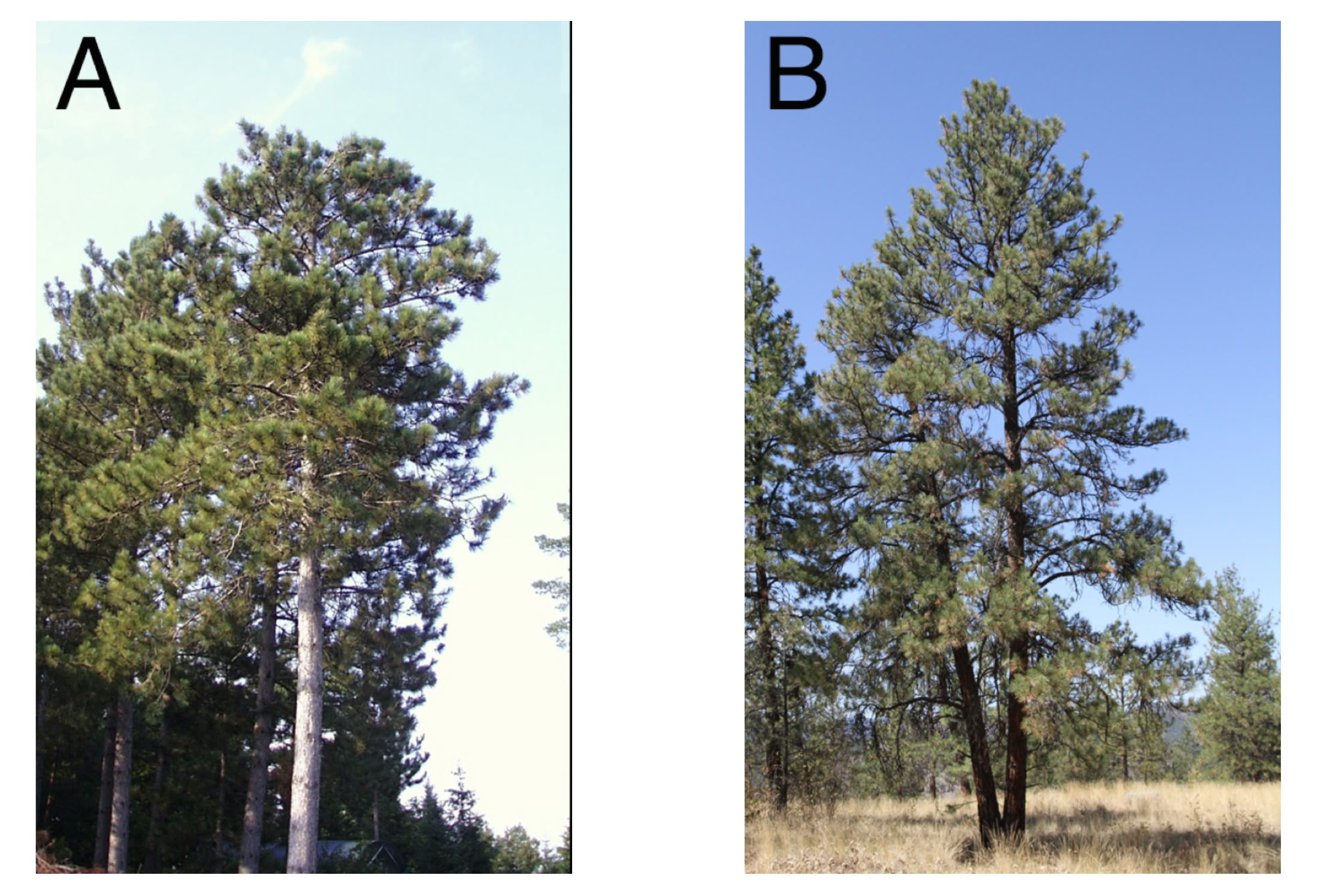
FIGURE 11.18 To the untrained eye, (A) Red Pine (Pinus resinosa) and (B) Ponderosa Pine (Pinus ponderosa) may appear to be the same species. Both species share the same general characteristics. However, a close inspection would reveal several differences. For example, the average Ponderosa Pine is much taller and has a trunk that is twice the diameter of an average Red Pine. Further, the needle leaves of Ponderosa Pine are clustered in threes and are about 12 to 25 centimeters (5 to 10 inches) in length, while the leaves of Red Pine are clustered in twos and only 10 to 15 centimeters (4 to 6 inches) long. Image Source A: United States Fish and Wildlife Service, Image Copyright B: Michael Pidwirny.
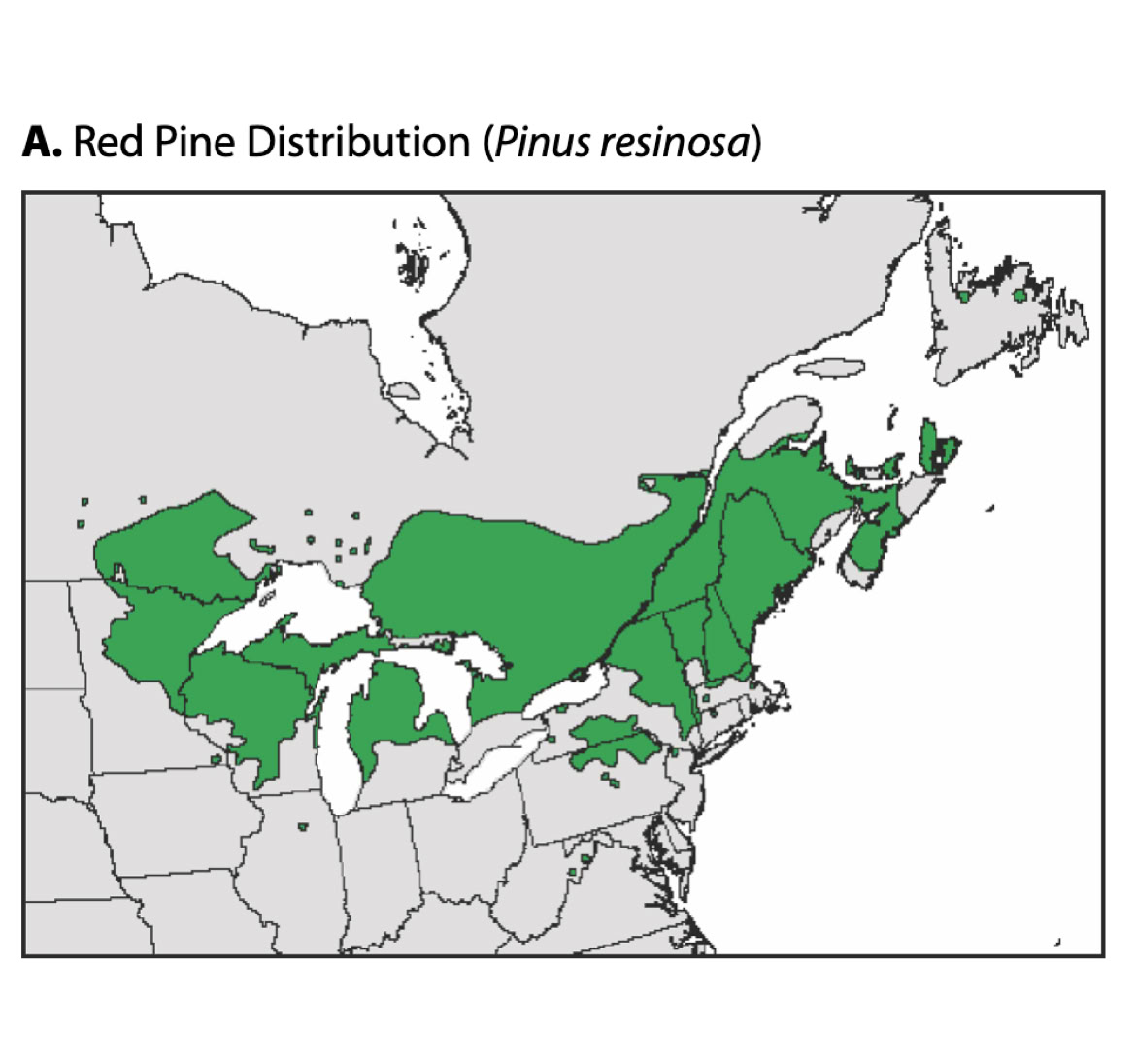
FIGURE 11.19 Geographic distribution of Red Pine (Pinus resinosa) and Ponderosa Pine (Pinus ponderosa). Image Source A: United States Geological Survey, Image Source B: United States Department of Agriculture - Forest Service.
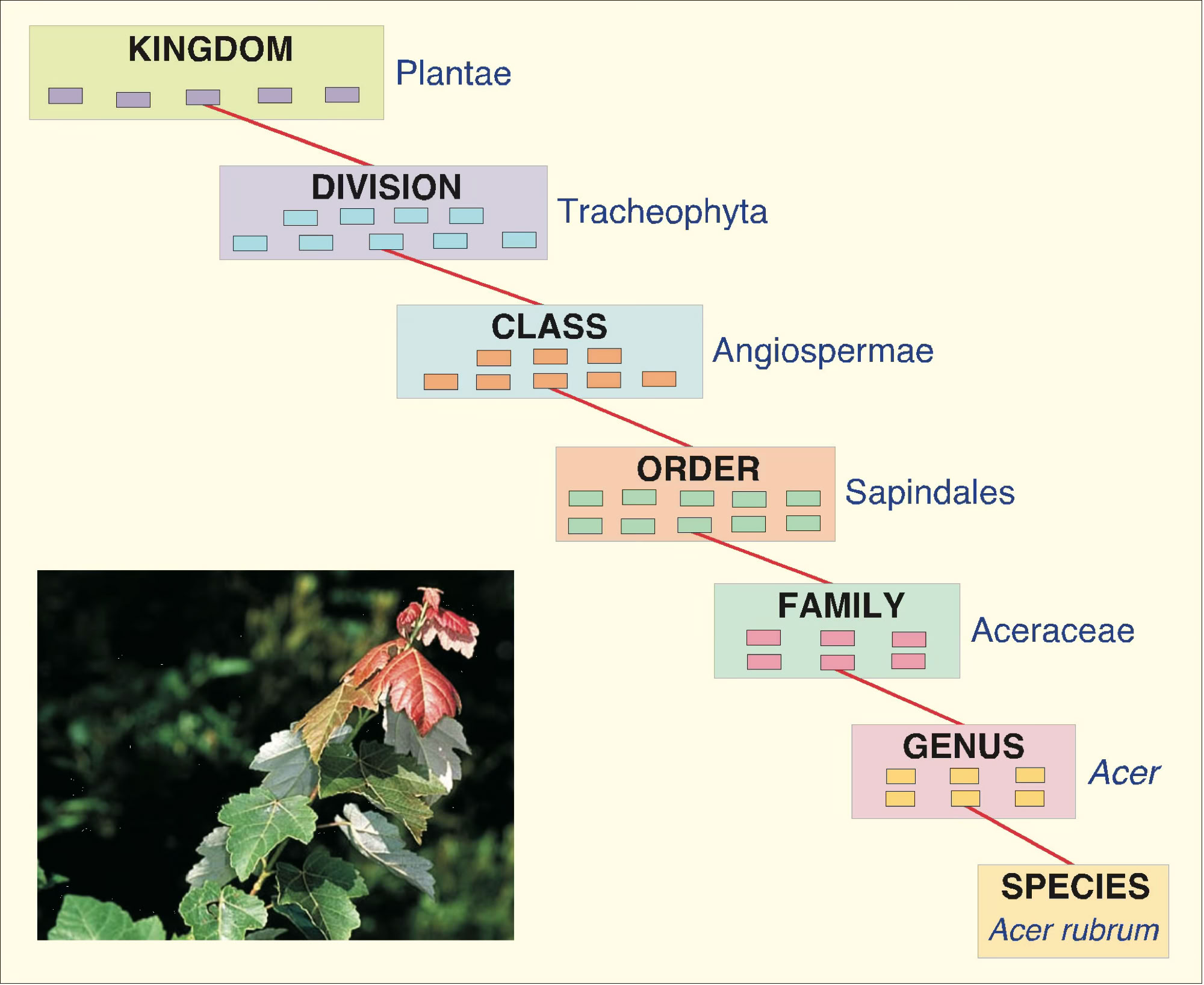
FIGURE 11.20 The classification of life involves a hierarchical system that goes from specific to general. This example classifies the species Acer rubrum, the Red Maple. Image Copyright: Michael Pidwirny.