Conduction, Convection, and Radiation
In nonliving systems, energy moves throughout the Earth via three processes: conduction, convection, and radiation. Both conduction and convection involve the transfer of thermal energy through the spatial movement of atoms and molecules. We are all familiar with the conduction. This is the process that helps cook our food in frying pans. Conduction involves the transfer of heat through a substance along a gradient of molecules in contact with each other. It can occur in all three phases of matter: gas, liquid, or solid. Conduction ends when the heat energy stored in these molecules is equalized by heat flow. While cooking, we turn on a stove burner to generate heat from burning natural gas. This heat is then transferred to the metallic molecules of the pan sitting on the burner surface. The heat energy in the pan's metal is then transferred to the food above. The speed or rate at which heat energy is transferred by conduction through a substance is determined by its thermal conductivity (Table 3.7). Some substances, like most metals, conduct heat quite readily. Objects that are poor conductors of heat are called insulators. Air is an example of a good insulator.
Most of the vertical heat flow in the Earth's atmosphere and oceans results from convection. Convection is the transfer of heat energy by circulation or mass motions of matter inside a substance. This process can only occur in matter that is in a liquid or gaseous state. The actual movement of matter by this process is the result of spatial differences in a substance's density. Applying heat locally to a mass of matter increases the molecules' activity and decreases their density. This heated mass becomes buoyant because the matter surrounding it has a higher density. As the mass floats, the void beneath it is filled by the flow of the surrounding, denser matter. Another way to picture this process is to consider how we get hot air balloons to float in the atmosphere. The process begins by filling the balloon with air heated with a burner. The heated, less dense air then causes the balloon to lift convectively in the cool, more dense atmosphere.
Early in this chapter, we defined electromagnetic radiation as the emission of energy from an object as electromagnetic waves. Most of the energy that drives the Earth’s various systems comes originally from the Sun’s radiant emissions. This energy is beamed from the Sun’s surface to the Earth through electromagnetic waves that travel at the speed of light and release heat energy when absorbed by an object. Note that electromagnetic waves do not require matter to function, and they can travel across the vacuum of space. Conduction and convection do not operate in space. If you live in a place that experiences winter, you may have noticed the warming effects of radiation. If we face the Sun on a cold winter day, we can feel our skin heat up despite the frigid air. The warmth we feel is created because the Sun’s electromagnetic energy is absorbed and converted into heat energy on the surface of our skin. We will learn some more interesting details about radiation in the next chapter.
It is important to note that conduction, convection, and radiation processes often occur in tandem. This fact is best illustrated by the heating of our planet’s atmosphere. The original source of the heat energy found in the atmosphere is solar radiation. This energy travels from the Sun through the transparent atmosphere to the ground surface. The radiation is absorbed and converted from electromagnetic waves into heat energy at the ground surface. This process raises the ground's temperature as heat builds up. The heat energy is then transferred by conduction to a thin layer of air next to the ground surface. Only a thin layer of atmosphere is involved in the conduction process because of the air’s poor ability to conduct heat. However, air is quite effective at transferring heat by convection. Convection begins when the atmosphere heated near the ground surface becomes warm enough to develop free-floating air parcels. These buoyant parcels of air are sometimes called thermals. The development of the thermals stops when the intensity of solar radiation drops in the late afternoon due to low Sun angles.
Energy Transfer and Life
In the biosphere, the production and consumption of energy at the cellular level is mainly controlled by photosynthesis and cellular respiration. Through these two processes, organisms can obtain all the energy required for their activities.
Photosynthesis
Plants and some other organisms can capture the electromagnetic energy from the Sun through a chemical process called photosynthesis. In plants, photosynthesis takes place in cellular organelles called chloroplasts. The following simple equation can describe the chemical reaction for the photosynthetic process:
6CO2 + 6H2O + light energy ——> C6H12O6 + 6O2
The products of photosynthesis are the carbohydrate glucose (C6H12O6) and oxygen (O2), which are released into the atmosphere (Figure 3.22). Glucose is produced by chemically combining carbon dioxide (CO2) and water (H2O) with the energy from sunlight. Plants can convert the glucose produced by photosynthesis into starch for storage or into specialized carbohydrates, such as cellulose. The glucose molecules can also be combined with other nutrients, such as nitrogen, phosphorus, and sulfur, to build complex molecules such as proteins and nucleic acids.
Animals cannot produce the energy they need through photosynthesis. Instead, they capture their energy by consuming and assimilating the biomass of plants or other animals. Thus, animals, in one way or another, get the energy they need to maintain their body’s tissues, grow, and reproduce from photosynthetic organisms. If there were no plant life on the Earth, there would be no animal life.
Cellular Respiration
Energy can be released from glucose through chemical oxidation. In living organisms, this process is called cellular respiration. Cellular respiration occurs in plants and animals in a cellular organelle called the mitochondria. In most organisms, respiration releases all the energy required for metabolic processes. The following simple equation can describe the chemical reaction for respiration:
C6H12O6 + 6O2 ——> 6CO2 + 6H2O + energy released
As we can see from the equation for cellular respiration, the three products of this process are carbon dioxide (CO2), water (H2O), and energy that is used for metabolic purposes (Figure 3.23). Note that the equation for respiration is the reverse of the equation for photosynthesis.
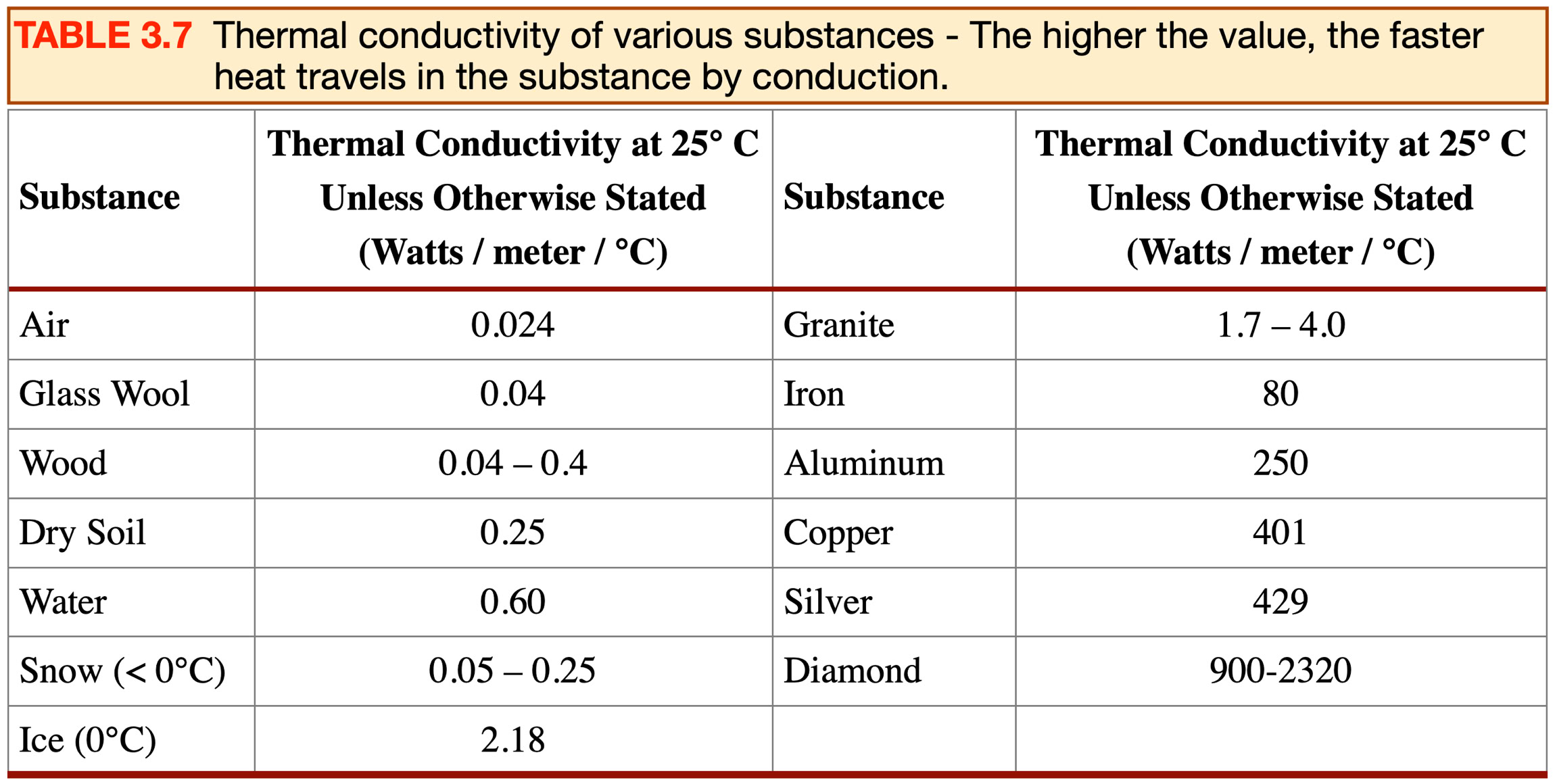
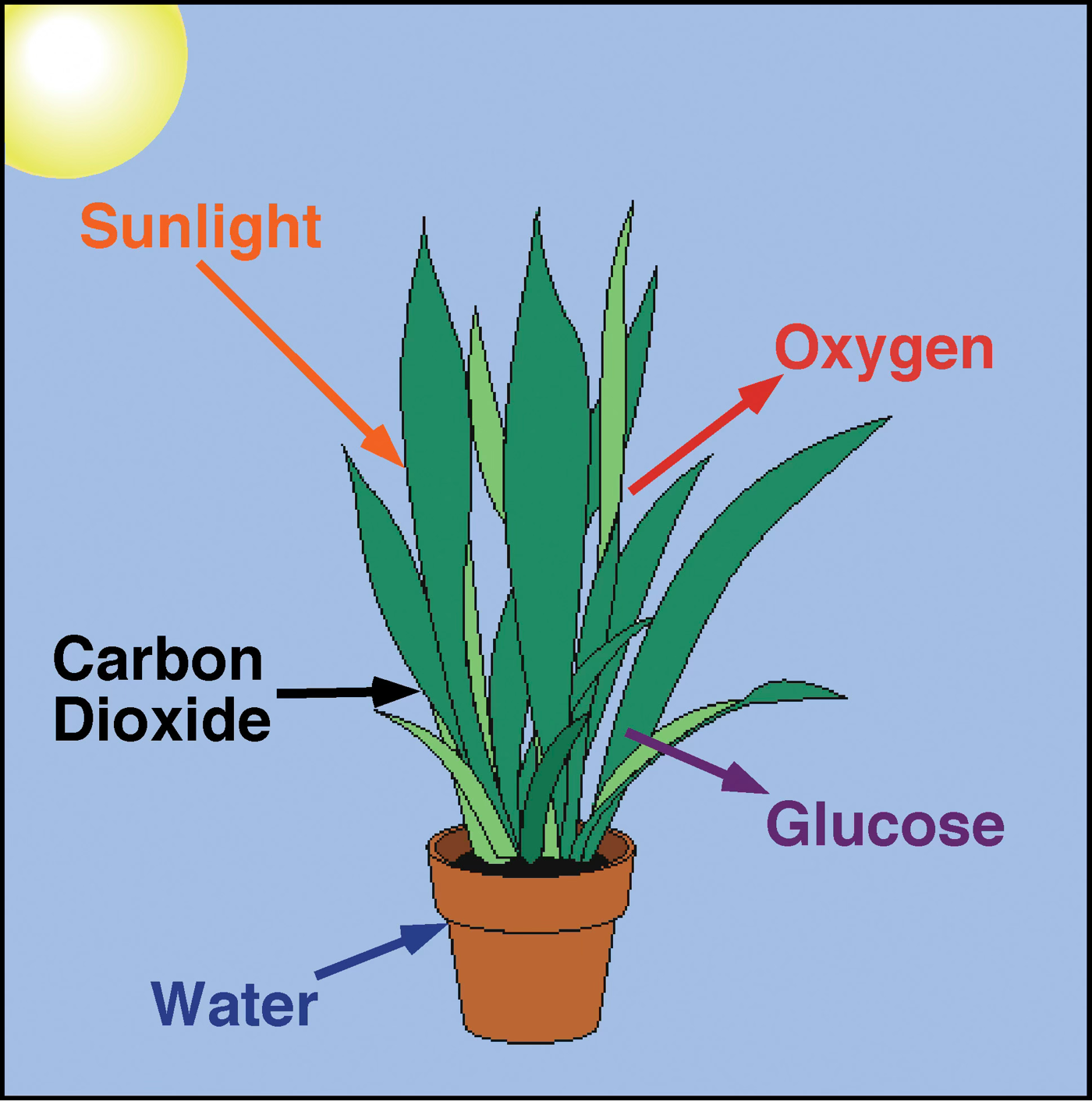
FIGURE 3.22 Photosynthesis takes water, carbon dioxide, and the energy of sunlight to produce oxygen and the organic molecule glucose. This chemical process occurs in the chloroplasts of plants. The energy contained in glucose can be later released for metabolism by cellular respiration. Image Copyright: Michael Pidwirny.
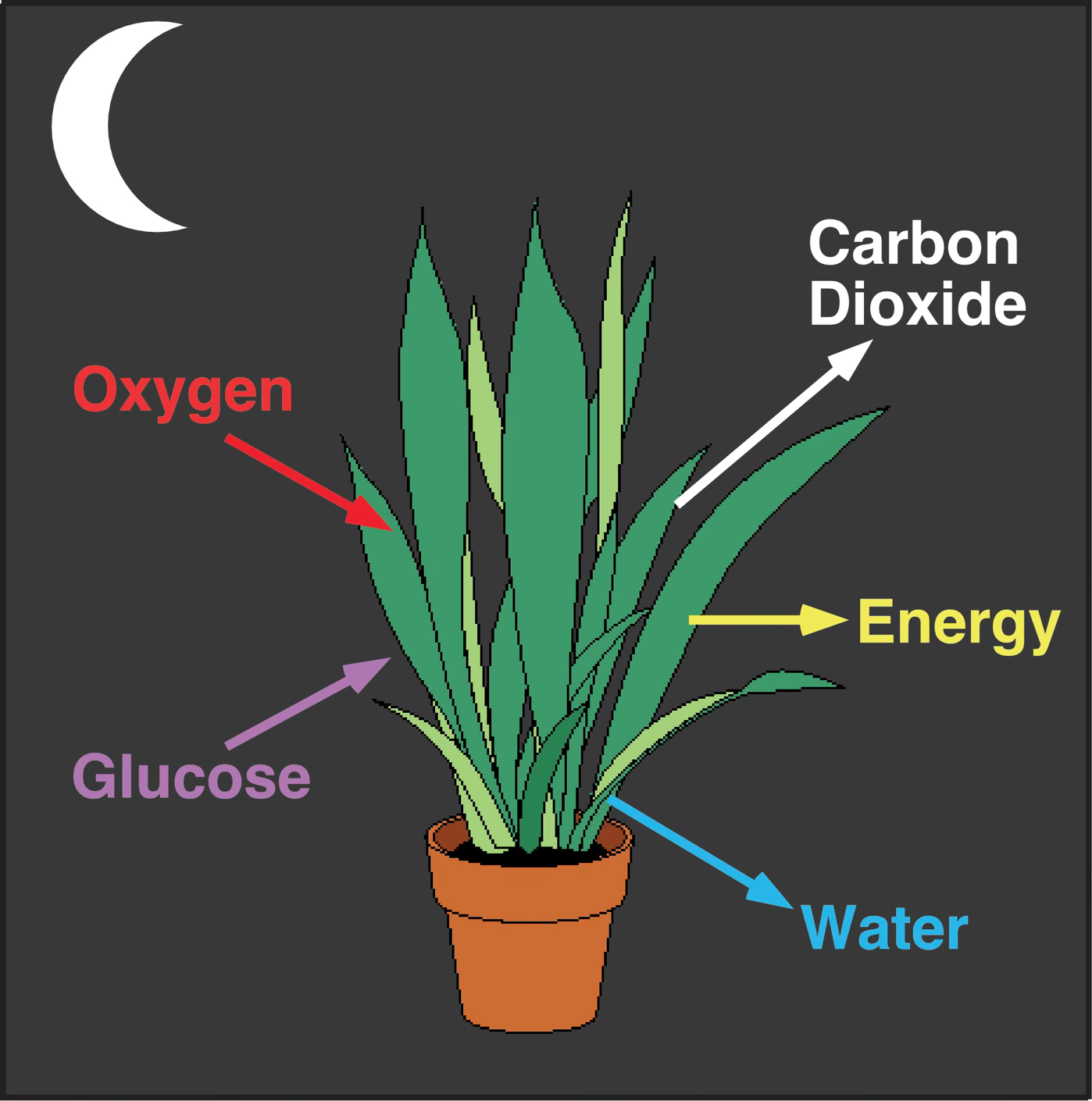
FIGURE 3.23 Cellular respiration releases the energy stored in the organic molecule glucose. This process occurs in the mitochondria found in the cells of organisms. Cellular respiration also requires oxygen; its other products include carbon dioxide and water. Image Copyright: Michael Pidwirny.